
Make an Impact Through Public Service: Meet CPUC Attorney Sachiko Yoshitsugu
Get to Know Us

Name: Sachiko Yoshitsugu
Title: Advisory Attorney
Division: Legal Division
CPUC Tenure: 1.5 years
Headquarters: San Francisco
The California Public Utilities Commission’s (CPUC) Legal Division is a team of 100 talented people that support the CPUC in many different ways, from providing legal advice to Commissioners and staff to reviewing rulemakings that focus on services that are essential to Californians, from energy to water to transportation to telecommunications. CPUC attorneys are also involved in regulating some of the greatest technological advancements underway, like autonomous vehicles.
With a curiosity in infrastructure systems that deliver essential public utility services, CPUC Advisory Attorney Sachiko Yoshitsugu’s path naturally led her to the CPUC. She tells us how her work that focuses on the energy industry brings variety and challenge every day. In this Get to Know Us story, Sachiko explains how there are many career pathways attorneys at the CPUC can explore, from becoming an Advisor to a Commissioner to being an Administrative Law Judge.
Tell us how you ended up working for the CPUC.
A good friend from law school was a fellow in the Legal Division and absolutely loved her experience working at the CPUC. She had many great things to say about the people, the culture, and the interesting work she did. When an attorney position opened in November 2024, she forwarded me the job posting. At the time, I had only heard about the CPUC and public utility regulation through my friend. Looking back now, I can see that many of my longstanding interests naturally led me to the CPUC.
I’ve always been interested in public infrastructure and the systems that deliver essential utility services, such as electricity and water to customers. As an undergraduate, I studied journalism and economics, where I developed an interest in business regulation and consumer protection, particularly the role government plays in holding corporations accountable to the public. I also worked on climate change litigation as an intern with the San Francisco City Attorney’s Office on its affirmative litigation team. That experience sparked my interest in working in government and pursuing public interest work on a statewide level, rather than focusing solely on direct legal services.
What do you do day-to-day? Is there a particular project you’re most proud of?
Every day is different. I have a lot of flexibility to set my own schedule and decide which projects to prioritize. I usually split my time between meeting with staff, responding to legal questions, reviewing draft materials such as Proposed Decisions and Resolutions, and conducting legal research. As an advisory attorney, I answer direct legal questions from my internal clients, while understanding their policy goals and anticipating potential legal issues before they arise. This requires setting aside time to educate myself about the key technical and policy challenges in CPUC proceedings so that I can spot legal issues early on and help my internal clients achieve their goals.
One of my favorite aspects of the job is how little busywork I do. Almost every question I receive is novel or complex in some way, so I’m never bored. At first, it was overwhelming to learn the CPUC’s many processes and the industries we regulate, and I still feel lost all the time. But as someone who loves learning and tackling complicated issues, I find that I’m endlessly challenged by the work, and that makes it incredibly rewarding.
Why did you choose a path of public service?
I’ve always wanted a career where I could be a resource to others and help people. Family members who worked in public service also influenced my decision. My sister is a first-grade teacher in a public elementary school, my mom is a retired public school science teacher; and my grandmother was a public librarian. It’s an enormous privilege to attend law school and have a law degree. I’m the first person in my family to become an attorney and am personally motivated to use my degree to help others.
What public service ethos resonates with you?
Integrity, accountability, and stewardship.
What are the benefits of working for the CPUC and state?
Work life balance. I still work late and on weekends occasionally but am not expected to by anyone. It’s very easy to get time off approved. You’ll be slammed when you return to work but there is always someone who can cover for you.
If you like to travel, have hobbies or family commitments, the CPUC is a great place to work. I’m obsessed with learning tennis right now, and love spending time outdoors. I’m able to make time to pursue those interests without feeling like they negatively impact my work.
There are also opportunities for professional development and growth. I know many colleagues in the Legal Division who have worked at the CPUC for more than a decade. I think a big reason people stay for so long is that there are many opportunities to grow and take on different roles over the course of their careers. For example, attorneys can transfer to different teams within the Legal Division, serve as temporary Advisors to a Commissioner, become an Administrative Law Judge, or move into an analyst role within one of the industry Divisions. There are many different paths to develop new skills and take on new challenges without having to leave the CPUC.
How has working for CPUC improved your life both personally and professionally?
Professionally, I’ve developed my legal skills immensely since graduating from law school, particularly in written and oral communication, client relations, and legal judgment. In the Legal Division, attorneys are given significant responsibility and autonomy over their own proceedings. My supervisor and colleagues are always available to provide guidance and support, and I’ve learned when it’s appropriate to elevate an issue to a supervisor or more senior attorney. Ultimately, however, you are the one advising the client and are responsible for exercising your own judgment. That combination of independence and support has been one of the most valuable aspects of my professional development so far.
Why would you encourage someone else to consider working here?
If you enjoy working on complex, novel, and technically challenging policy and legal issues related to public infrastructure, you’ll enjoy working in the CPUC Legal Division. You will be surrounded by great colleagues, have opportunities to work on high-impact proceedings, and be able to experience work life balance while pursuing a purposeful career.

CPUC attorney Sachiko Yoshitsugu out on the trails hiking.
What would you tell someone starting their career at the CPUC?
You don’t really learn how to be an attorney in law school, so your first few years of practice no matter where you start will be challenging and involve a steep learning curve. Starting in the CPUC’s Legal Division is no different except the senior attorneys and supervisors are all very supportive. At the CPUC, senior attorneys don’t forget what it’s like to be new and overwhelmed because we often work on difficult issues. Everyone is constantly learning something new, regardless of their level of experience. I think that shared perspective makes people especially empathetic and willing to help one another.
Any closing words of encouragement?
At the beginning of your career, it’s important to develop the skills that will help you become a well-rounded attorney and create opportunities for you in the future. Working at the CPUC provides ample opportunities to develop transferable legal skills, build confidence, and take on meaningful responsibility early in your career, which will serve as a strong foundation for whatever direction you ultimately choose to take in the future.
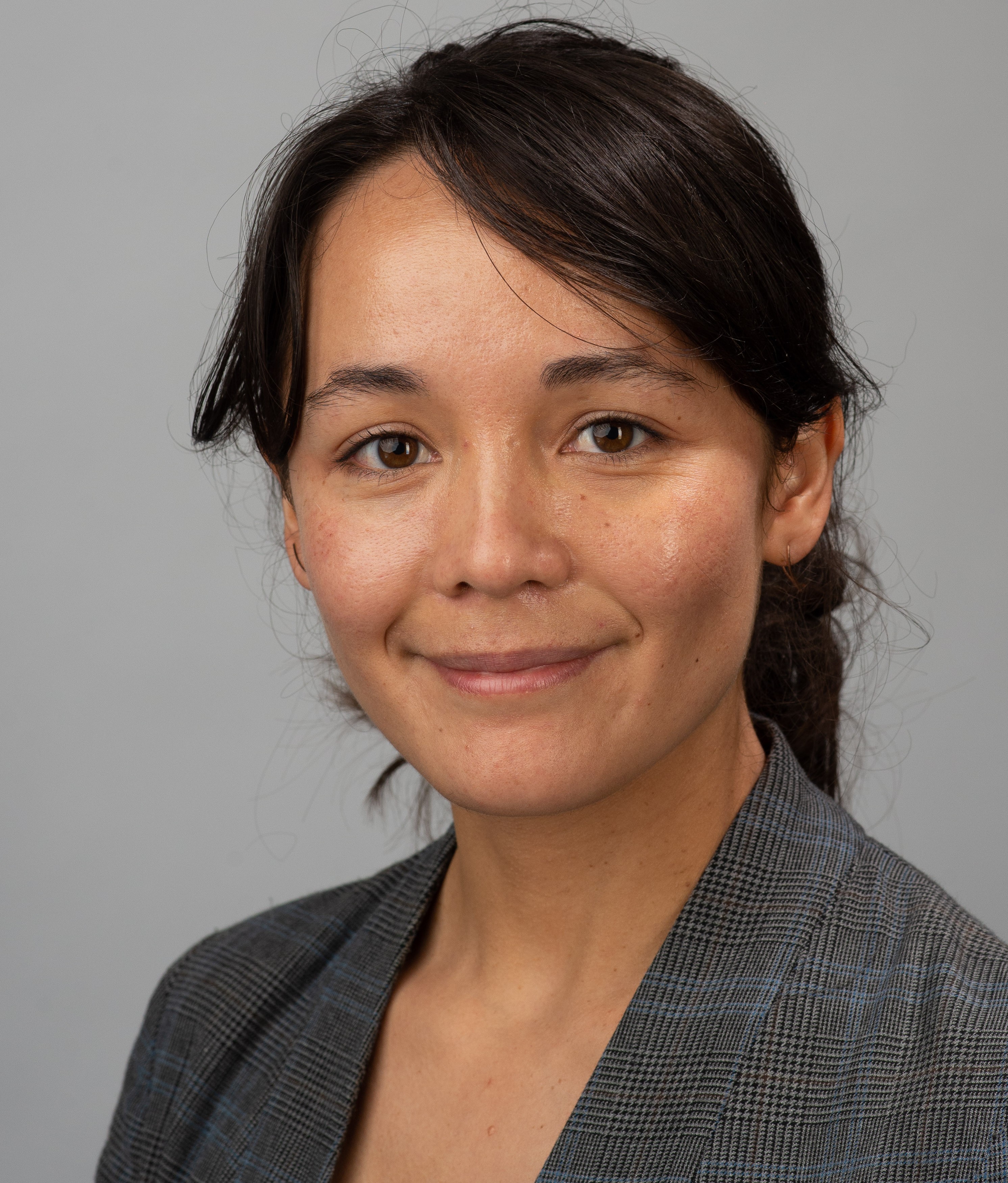
CPUC Advisory Attorney Sachiko Yoshitsugu.