
Make an Impact Through Public Service: Meet CPUC Attorney Kelley Casimere
Get to Know Us

Name: Kelley Casimere
Title: Attorney III
Division: Legal Division
CPUC Tenure: 2 years
Headquarters: San Francisco
The California Public Utilities Commission’s (CPUC) Legal Division offers professional opportunities for attorneys at all stages of their careers – from just starting to experienced attorneys looking to transition to public service. This month we’re highlighting this talented team’s commitment to serving Californians.
Kelley Casimere is an Attorney III at the CPUC who focuses on the energy and water industries. She has worked on the state’s energy transition, natural gas policy, utility ratemaking, water utility regulation, and implementation of new California legislation. Kelley says that public service gives her the chance to apply the skills she developed over the course of her career to a broader purpose.
Tell us how you ended up working for the CPUC.
My path to the CPUC was not necessarily a traditional one, and I think that is part of what makes my experience here so meaningful.
I started my career practicing law and then spent many years in the telecommunications industry, including at AT&T, where I held several leadership positions. One of my largest roles involved leading a major, multi-year technology transition that required coordinating hundreds of employees and working across legal, regulatory, engineering, finance, operations, and customer-facing organizations.
After many years in the private sector, I reached a point where I wanted to return more directly to the practice of law and use the experience I had gained in a way that served the public. The CPUC was an especially good fit because it brought together so many parts of my background, including law, utilities, regulation, policy, business, and public service.
What I found when I came to the CPUC was that my prior experience was incredibly valuable. I could bring the perspective of someone who worked inside a large, regulated company while also developing an entirely new perspective as an attorney representing the CPUC and the public interest.
For me, the CPUC became an opportunity to begin a new chapter without starting over. I was able to build on everything I had done before and apply it to work with real impact on Californians. As a native Californian and graduate of California's best public (UC Berkeley) and private (Santa Clara Law) universities steeped in California's history, this was very important to me.
What do you do day-to-day? Why is the work rewarding and is there a particular project you're most proud of?
One thing I really enjoy about working at the CPUC is that there really isn’t a typical day.
I advise both the Energy and Water Divisions, so my work can involve everything from researching a complex legal issue, reviewing a Proposed Decision or CPUC filing, advising staff on regulatory strategy, participating in meetings with Administrative Law Judges and other CPUC staff, or helping a staffer think through the legal implications of a new policy.
The issues themselves are incredibly varied. I’ve worked on matters involving energy transition, natural gas policy, utility ratemaking, water utility regulation, consumer protection, safety and reliability, and implementation of new California legislation.
One project I am particularly proud of is my work on California’s natural gas transition. I had the opportunity to work on complex legal and policy questions involving the future of the natural gas system as California moves toward its climate and decarbonization goals. That work requires us to think carefully about affordability, reliability, utility investment, property rights, and the impact that major policy changes can have on individual customers and communities.
What I find most rewarding is knowing that the legal analysis isn’t simply academic. The advice we provide can ultimately influence CPUC decisions and policies affecting millions of Californians. That gives the work a sense of purpose.
Why did you choose a path of public service?
I was born into a life of public service. I come from a family who led by example, especially my grandmother and mother who helped dozens of foster children in their group homes and gave of their time and finances to multiple charitable causes around the Los Angeles basin.
Public service as a vocation gives me an opportunity to use the skills I developed throughout my career for a broader purpose.
At the CPUC, our work touches some of the most basic things people depend upon every day, electricity, natural gas, water, telecommunications, transportation, safety, reliability, and affordability. This is work that we do with our hearts and the passion to bring excellence to every endeavor.
What public service ethos resonates with you?
The public service ethos that resonates most with me is stewardship.
We have been entrusted with responsibilities that can significantly affect people’s lives. That means approaching our work with integrity, fairness, professionalism, and humility.
For me, public service also means remembering the people behind the legal and policy questions. A regulatory proceeding may involve thousands of pages of testimony, statutes, briefs, and data, but ultimately the decisions being made can affect consumer affordability, whether communities receive safe and reliable service, and how California prepares for the future.
That responsibility is something I take very seriously.
What are the benefits of working for the CPUC and the state?
There are the tangible benefits that people often associate with state employment, such as healthcare, retirement benefits, paid leave, job stability, and opportunities for advancement.
Those benefits become increasingly valuable over the course of a career.
But there are also benefits that are harder to quantify. The CPUC gives employees an opportunity to work on some of the most important and complex public policy issues in California alongside people with tremendous expertise.
You can develop a career here. You can move into different practice areas, take on increasingly complex assignments, develop specialized expertise, and pursue leadership opportunities.
How has working for the CPUC improved your life personally and professionally?
Professionally, the CPUC has allowed me to grow tremendously as an attorney.
I’ve had opportunities to work on sophisticated legal and regulatory issues, advise experienced policymakers and technical staff, and develop expertise in areas of California utility law that I had never practiced in before.
Personally, one of the biggest benefits has been work-life balance.
At the CPUC, I can have challenging, intellectually interesting work and still have a life outside of work. That balance becomes increasingly important as you move through different stages of your career.
And living and working in the Bay Area while contributing to issues affecting the entire State of California gives me the opportunity to have both an interesting professional life and a fulfilling personal life.
Why would you tell someone else to consider working for the CPUC?
I would encourage someone to consider the CPUC because you can build a career here that combines professional growth with purpose.
The work is intellectually challenging. You are exposed to major legal, economic, technological, environmental, and public policy questions. You also have an opportunity to learn from attorneys, engineers, economists, analysts, Administrative Law Judges, and policymakers with deep expertise in their fields.
You aren’t just observing California policy, you have an opportunity to participate in developing and implementing it.
And you can do meaningful work while also building a stable career with strong benefits and opportunities to grow.
I also would note that CPUC employs people all around the state with office locations in Sacramento, San Francisco, and Los Angeles.
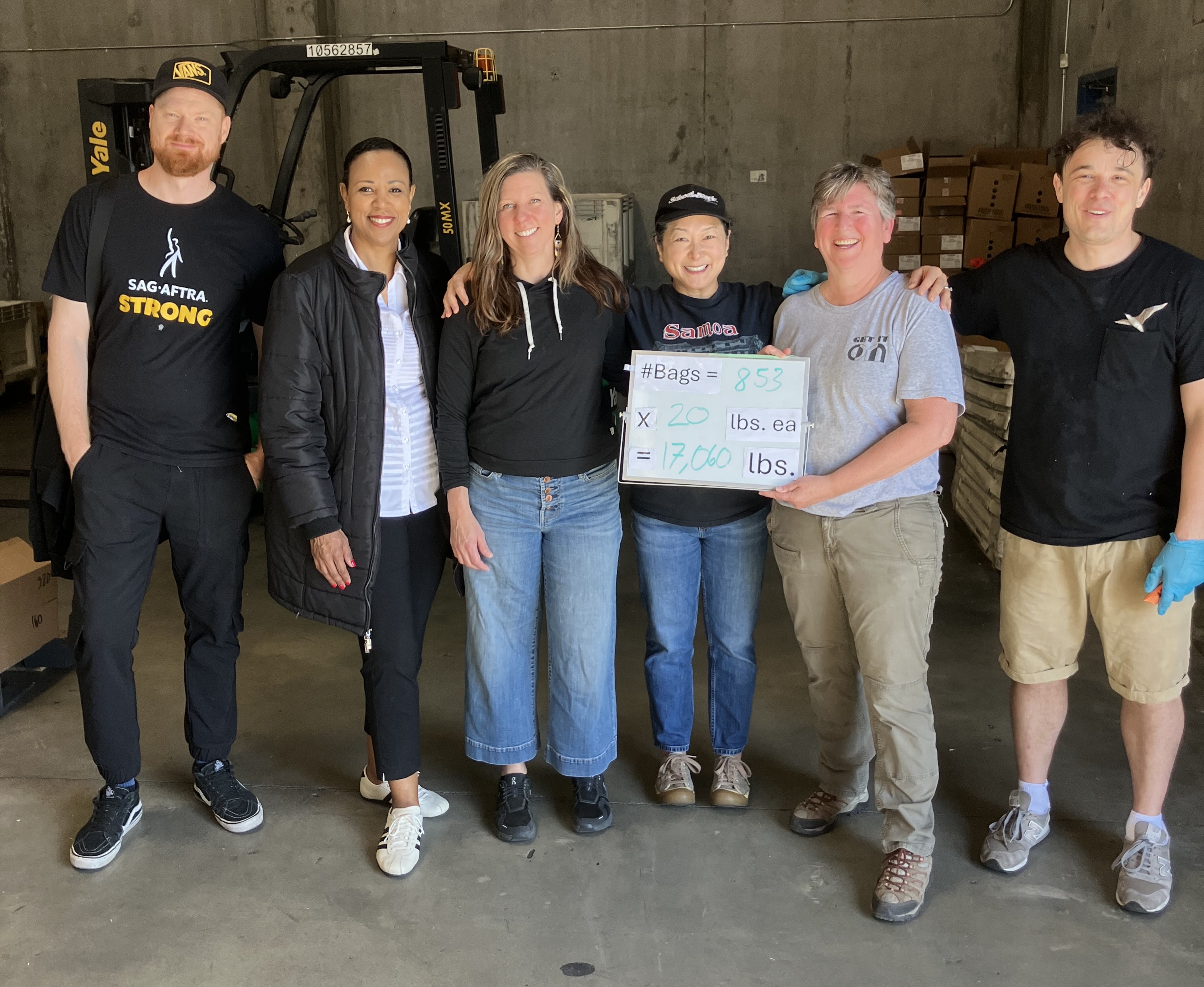
CPUC Legal Division, Administrative Law Judge Division, and a volunteer helping at a Bay Area food bank.
Starting at an entry-level position can be challenging. Do you have advice for those starting their legal careers at the CPUC?
I would tell someone not to judge a state career solely by the starting salary or their first position.
Think about the entire career.
When you enter state service, you are beginning to build something. Your salary can increase as you gain experience and are promoted. Your vacation and leave benefits grow. You are building service credit toward a pension. You have healthcare benefits, multiple retirement savings options, and greater employment stability. You are developing specialized knowledge and experience that can open doors throughout state government.
I also think my own career demonstrates that you don’t have to follow one predetermined path.
I came to the CPUC after a long private-sector career. I was willing to come into a new environment, learn a new regulatory framework, and establish myself again. The experience I brought with me mattered, but I also had to be willing to learn.
So, my advice would be don’t focus only on where you are starting. Think about where the opportunity can take you.
Be curious. Ask questions. Find good mentors. Volunteer for challenging assignments. Become someone people can rely on.
Over time, those investments in yourself really do compound.
Any closing words of encouragement?
If you are looking for a place where you can do interesting work, continue learning, build a long-term career, and know that what you do matters, I think the CPUC is an incredible place to consider.
California is confronting enormous questions about energy, climate change, affordability, infrastructure, technology, water, and how we provide essential services to nearly 40 million people.
The people working at the CPUC have an opportunity to help answer those questions.
You don’t have to arrive knowing everything. I certainly didn’t. You need to be willing to learn, contribute, and bring your own experiences and perspective to the table.
One of the things my career has taught me is that careers don’t always move in a straight line. Sometimes an unexpected change in direction leads you exactly where you’re supposed to be.
For me, coming to the CPUC was one of those changes, and I’m very grateful I made it.
By Andrea Marvin, Public Information Officer
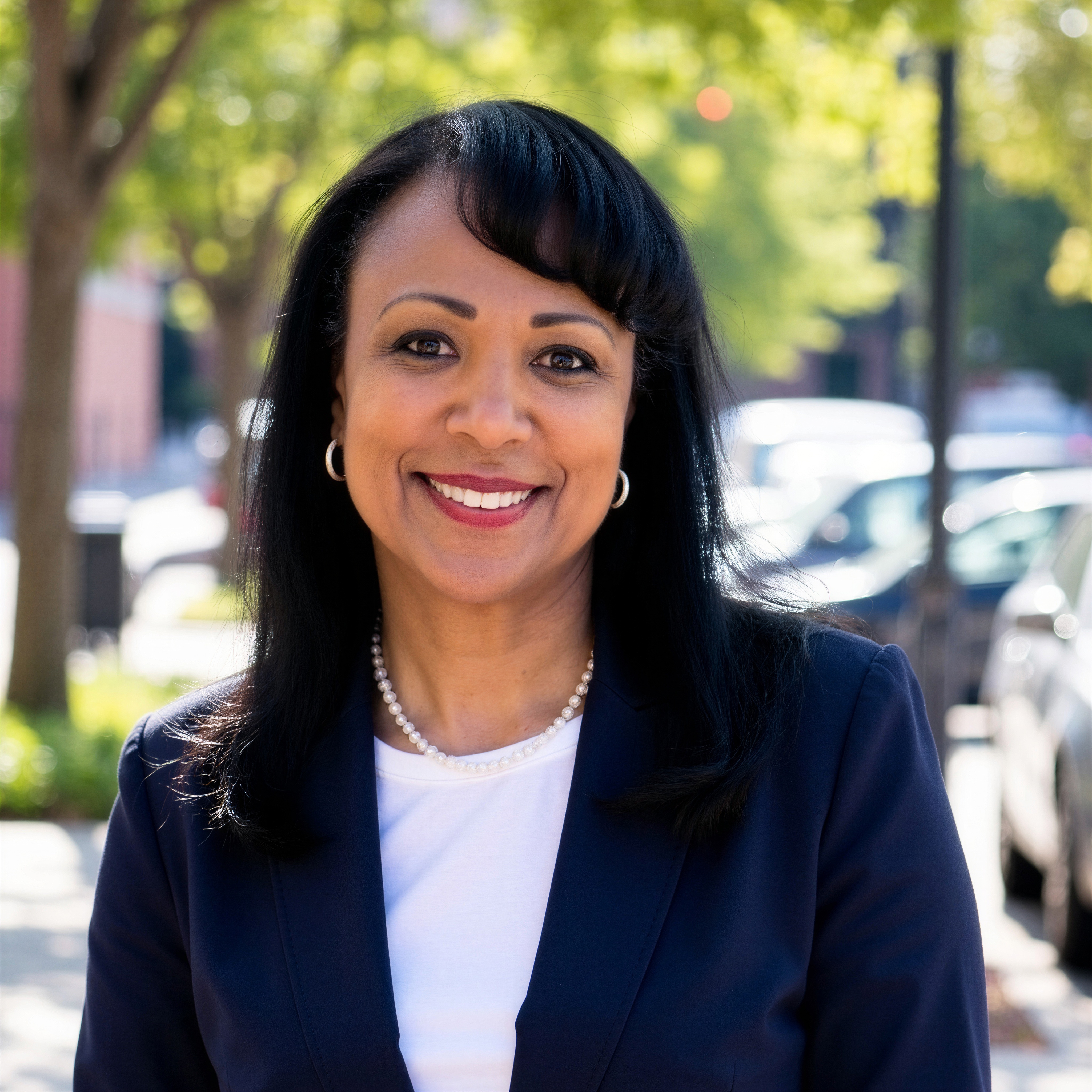
CPUC Attorney III Kelley Casimere.