
Taking a Proactive Approach to Drinking Water Safety

PFAS are forever chemicals found in day-to-day products from non-stick cookware to food packaging materials to agricultural products such as pesticides and herbicides. PFAS can be harmful to human health and can get into the body through the air, contaminated products, and contaminated drinking water.
The PFAS remediation facility at San Jose Water’s Williams Station will include new treatment vessels, water tanks, a pumping station, and new piping that will connect wells to the new treatment center. It will be the second largest ion-exchange PFAS treatment facility in the country, becoming a model for how water utilities can meet the new federal PFAS standards. Ion exchange treatment technology filters and treats water by replacing toxic ion minerals with safer ions, an affordable treatment option for water utilities.
“San Jose Water provides an example of a water utility taking a proactive instead of reactive approach in handling new PFAS requirements,” said Terence Shia, the CPUC’s Water Division Director. “Having water utilities get ahead of water quality testing and treatment processes helps ensure that Californians have access to reliable, safe, and clean water. It’s encouraging to see proactive measures implemented that are protecting public health.”
Preparing for New PFAS Requirements
San Jose Water’s request for CPUC approval to recover the PFAS-related infrastructure costs is continued this year in a new proceeding that is under review by the CPUC. This follows the Environmental Protection Agency’s (EPA) decision to strengthen regulations by lowering the allowable threshold for six types of PFAS compounds that can be found in water.
New EPA requirements
By 2027 water utilities must complete initial PFAS water quality testing and have an ongoing monitoring plan in place that provides the public information about the findings.
By 2029 water utilities must meet new maximum contaminant levels and implement a treatment process if PFAS levels discovered during testing exceed the EPA threshold.
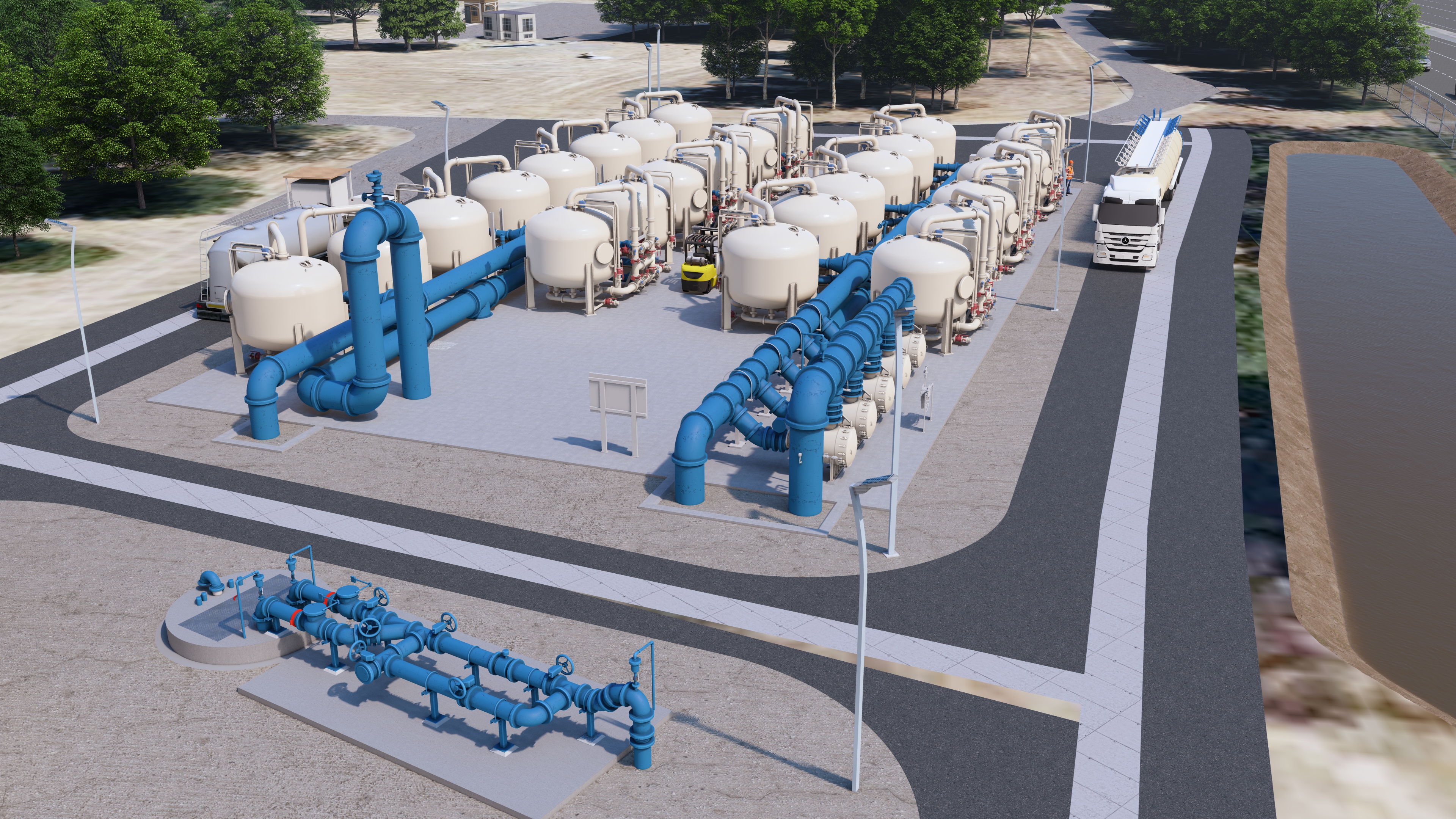 Rendering of San Jose Water's PFA treatment system.
Why it matters
Since 2019, San Jose Water collected 16,000 water samples across 97 of its locations. Ten wells were voluntarily placed on stand-by or removed from service after discovering PFAS. San Jose Water’s water quality strategy aims to keep its groundwater wells at or below 80 percent of the maximum contaminant levels.
➜ Wells that exceed the target are placed on a watch list, prompting more frequent water quality testing and oversight.
➜ Based on the groundwater wells’ overall condition, the utility then assesses whether to place the well on standby for only emergency use or if additional treatment and testing is needed.
➜ Wells that exceed limits receive additional review by the state.
“We went a step further than the initial state requirements because we wanted to better understand conditions across our system and make informed decisions that protect public health,” said Suzanne Lorenzo, Senior Director of Water Quality for San Jose Water. “As we learned more, we expanded monitoring to include both individual source-water and wellfield entry-point sampling, placed affected wells on standby, and adjusted operations to prioritize lower-PFAS sources as our available supply became more constrained. Those measures have helped us manage PFAS in the near term, but lasting protection requires treatment.”
San Jose Water relies on groundwater as the backbone for its water utility system with 89 wells and 18 groundwater stations. Its Williams Station is the largest groundwater production station where six wells were placed on stand-by after PFAS were identified during water quality testing.
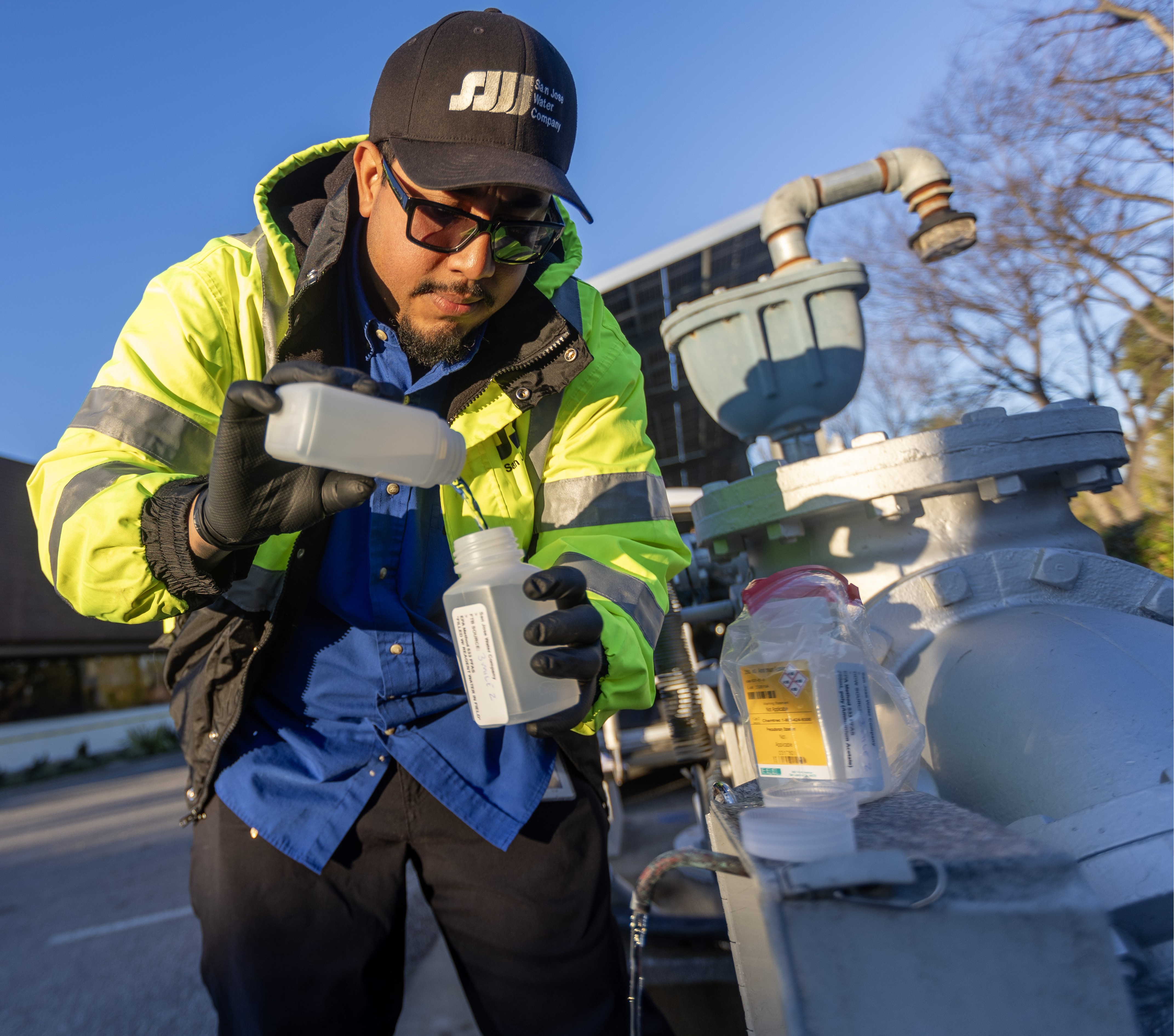 San Jose Water staff conducting water quality testing.
CPUC reviews PFAS remediation investments
The CPUC regulates 84 investor-owned water utilities in California and reviews and considers applications for PFAS remediation that cover treatment and infrastructure costs in accordance with Resolution W-5226. On a case-by-case basis, the CPUC also reviews requests from utilities for capital improvement budgets in a GRC or appropriate proceeding, which can include PFAS monitoring and remediation. A GRC is filed by the larger Class A water utilities such as San Jose Water every three years and details projected expenses and infrastructure needs that are evaluated by the CPUC in a public proceeding.
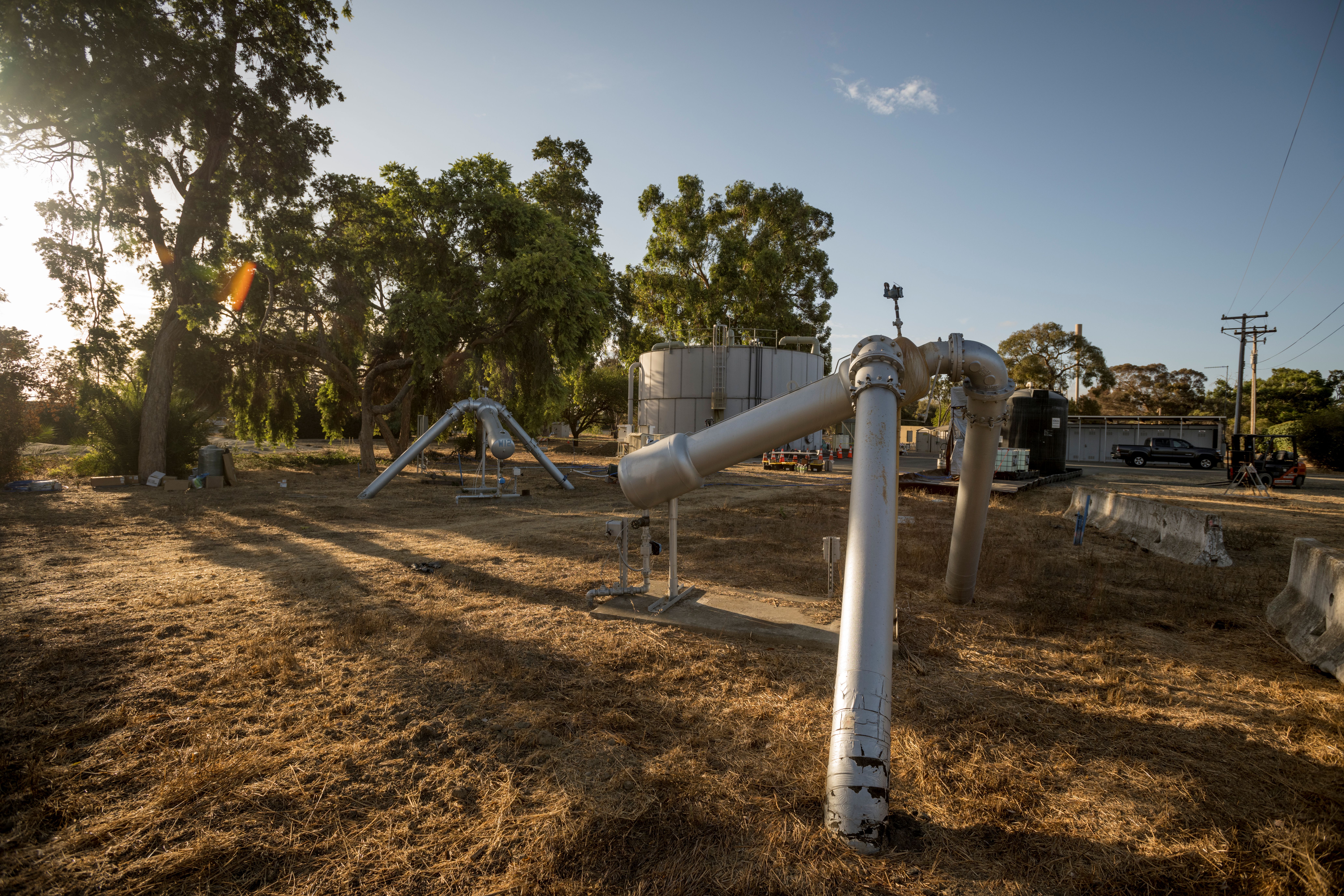 Current water utility infrastructure at San Jose Water’s Williams Station.
San Jose Water’s PFAS remediation system is a successful example of investor-owned utilities taking action and proactively working with the CPUC to ensure new standards are met. This improves system reliability by:
➜ Staying in compliance to avoid operational disruptions and penalties
➜ Reducing overall maintenance needs by avoiding degrading infrastructure caused from harmful PFAS build-up
➜ Providing water system resilience for continual service
➜ Allowing greater flexibility if EPA requirements and timelines change
As California’s water utilities prepare for evolving PFAS requirements, proactive planning and investment will be increasingly important to maintaining safe, reliable drinking water. Through its regulatory review, the CPUC works with investor-owned water utilities to evaluate the infrastructure, treatment, and monitoring needed to meet water-quality standards while supporting long-term system reliability. San Jose Water’s PFAS program demonstrates how early monitoring, operational changes, and treatment investments can work together to address emerging water-quality challenges and help protect California communities.
rendering of San Jose Water PFAS Treatment System
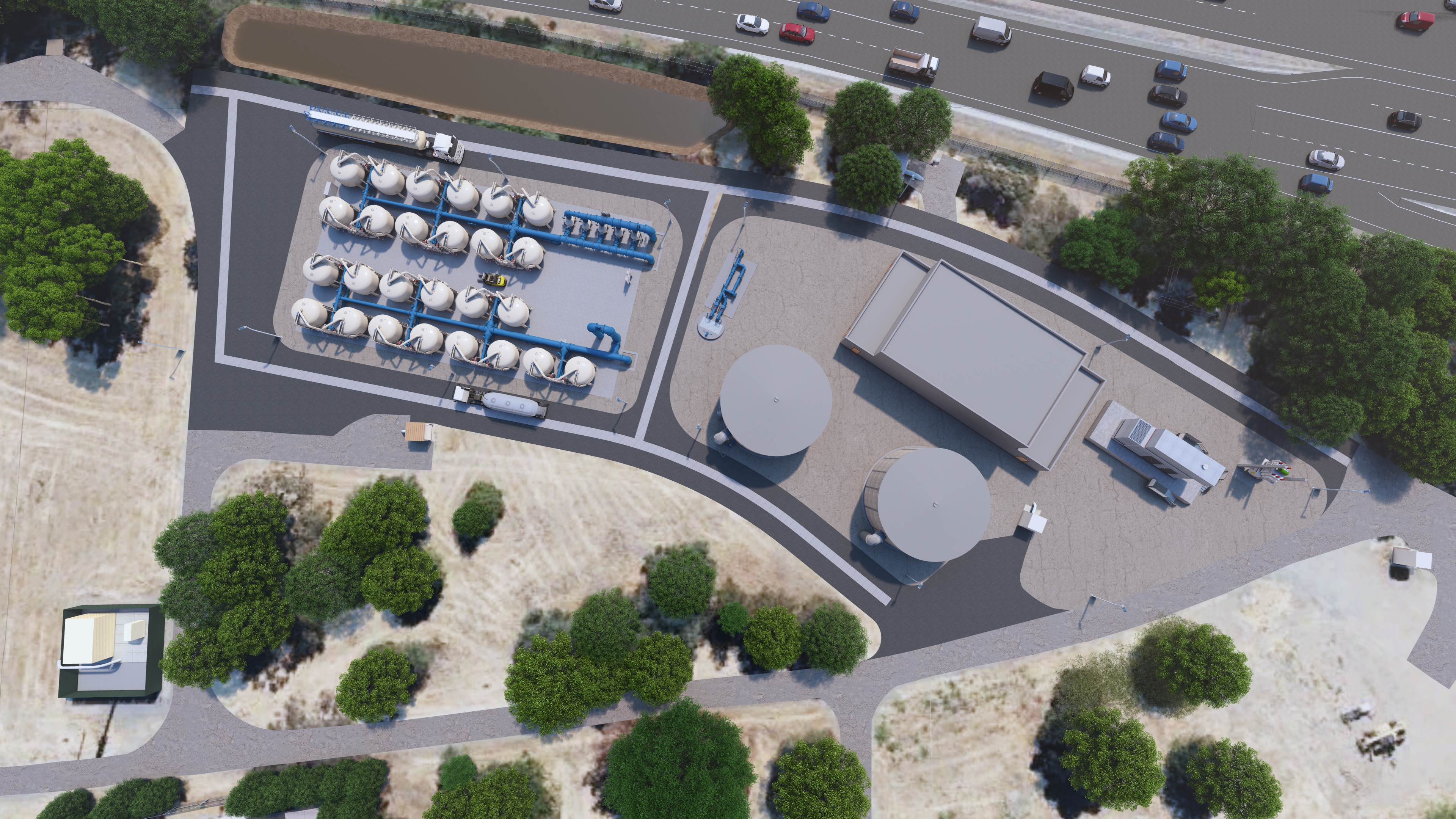
- Ion exchange treatment technology filters and treats water by replacing toxic ion minerals with safer ions, an affordable treatment option for water utilities.
- Following CPUC’s approval of San Jose Water’s GRC last year, the investor-owned utility designed a PFAS remediation facility.
- The PFAS treatment system will include new treatment vessels, water tanks, a pumping station, and new piping that will connect wells to the new treatment center.
By Andrea Marvin, Public Information Officer
San Jose Water's PFAS Remediation System