Rail Safety in Action: How the CPUC Protects Californians
Featured Story
Every day, trains move Californians to work, connect communities, and carry goods across the state. Most people probably don’t think about the work happening behind the scenes to help make those trips safer.
For the California Public Utilities Commission’s (CPUC) Rail Safety Division, safety means walking railroad tracks looking for potential hazards, inspecting rail facilities, reviewing highway-rail crossings, investigating incidents, and overseeing the safety of major rail transit projects before and during passenger service.
Sometimes, an inspection uncovers a problem requiring immediate attention.
Earlier this year, a CPUC railroad safety inspector was inspecting a section of railroad track in Concord, Calif., when they discovered 12 consecutive railroad ties were no longer effectively holding track fasteners in place. The situation set up the potential for derailment.
The railroad immediately placed a 25-mph speed restriction on the track and scheduled repairs. CPUC staff then returned to verify the problem was fixed.
That inspection highlights an important part of CPUC’s rail safety work: inspect, identify, correct, and verify.
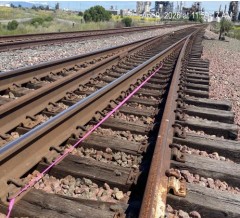
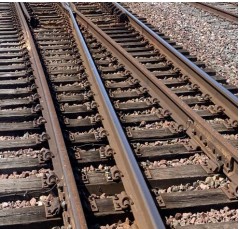
Before - Defective Fasteners After Fasteners Reinstalled
Thousands of Inspections and Safety Reviews Across California
With teams devoted to railroad operations, highway-rail crossings, and rail transit systems, the Railroad Operations and Safety Branch performs field inspections, trainings, and incident investigations. Through their efforts in the first half of 2026, they have:
-
Conducted 1,709 railroad safety inspections
-
Investigated 254 new incidents
-
Identified or helped correct 4,067 non-compliant conditions
-
Reviewed 131 highway-rail crossing incidents and completed 530 safety assessments and related activities through June
The Rail Transit Safety Branch oversees the safety of California’s rail transit systems, conducting 195 rail transit inspections through June and receiving reports of 181 rail transit safety events meeting state reporting requirements.
The Rail Crossings and Engineering Branch performs field inspections, quiet zone reviews, diagnostic reviews, trainings, reviews of existing crossings, and proposed changes to crossing warning devices.
Together, these numbers represent thousands of individual actions by CPUC engineers, inspectors, analysts, and safety professionals working to identify potential risks to help keep California’s rail systems safe.
The impact of these actions can be seen on the ground in communities across California.
Finding a Problem is Only the Beginning
In May, CPUC inspectors visited a rail car loading facility in Cabazon, Calif., and identified several safety concerns.
Vegetation was obstructing walking areas used by railroad employees, trees were encroaching on moving rail equipment, and there were clearance and walkway hazards around the facility.
CPUC inspectors notified the facility and the servicing railroad of the conditions and worked with them on a plan to address the problems. A week later, the facility reported that the violations were corrected.
CPUC inspectors returned to the site to verify the work themselves. They confirmed that the previously identified hazardous conditions were corrected and brought into compliance. Examples like this demonstrate the importance of follow-up in safety oversight. Identifying a problem is one step. Making sure the problem is corrected is another.
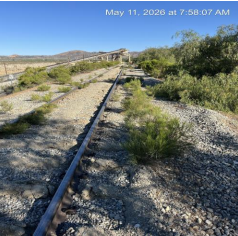
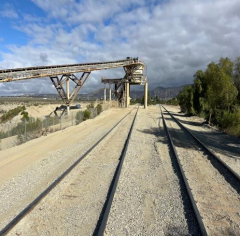
Vegetation in walkway. Vegetation removed from walkway.
A Small Blue Sign Can Make a Big Difference
Rail safety also extends to places where trains and people interact every day: rail crossings.
In May, a CPUC inspector noticed railrroad crossing gates in Vernon, Calif., were lowered for an extended period, but there was no train approaching.
The inspector located the blue Emergency Notification System (ENS) sign posted at the crossing, called the number, and reported the problem. Approximately 20 minutes later, railroad signal employees arrived and determined vandalism had damaged wires connected to the crossing warning system. Crews repaired the damage and restored the crossing gates to proper operation.
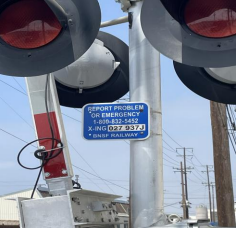
Rail crossing ENS Sign in Vernon.
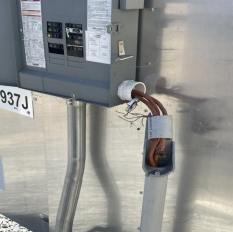
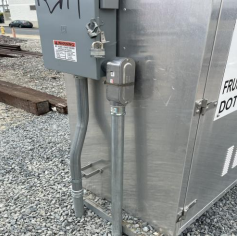
Vandalized wire housing exposing Repaired wire housing.
signal wires.
This incident acts as an important reminder for the public. ENS signs can be used to report urgent problems at railroad crossings, including a vehicle stuck on the tracks or malfunctioning crossing signals.
Looking Out for Safety on California’s Transit Systems
The CPUC’s rail safety responsibilities do not end with traditional railroad tracks and crossings.
The Rail Transit Safety Branch also oversees safety at rail transit systems and plays a role in the safety certification of California’s major new and upgraded transit projects.
In 2026, their work included oversight of projects involving BART, Los Angeles Metro, the LAX Automated People Mover, Sacramento Regional Transit, San Diego Metropolitan Transit System (MTS), Santa Clara Valley Transportation Authority, and San Francisco Municipal Transportation Agency.
During San Diego MTS’s Orange Line Improvement Project, CPUC staff oversaw upgrades to tracks, signals, communications systems, and crossing warning systems along the existing trolley line. During the first half of the year, they performed track, switch, signal, and overhead electrical system inspections, and witnessed dynamic signal testing as portions of the project moved through safety certification.
This type of oversight helps make safety part of the process as California’s rail transit systems are upgraded and expanded.
Rail Safety Is Year-Round
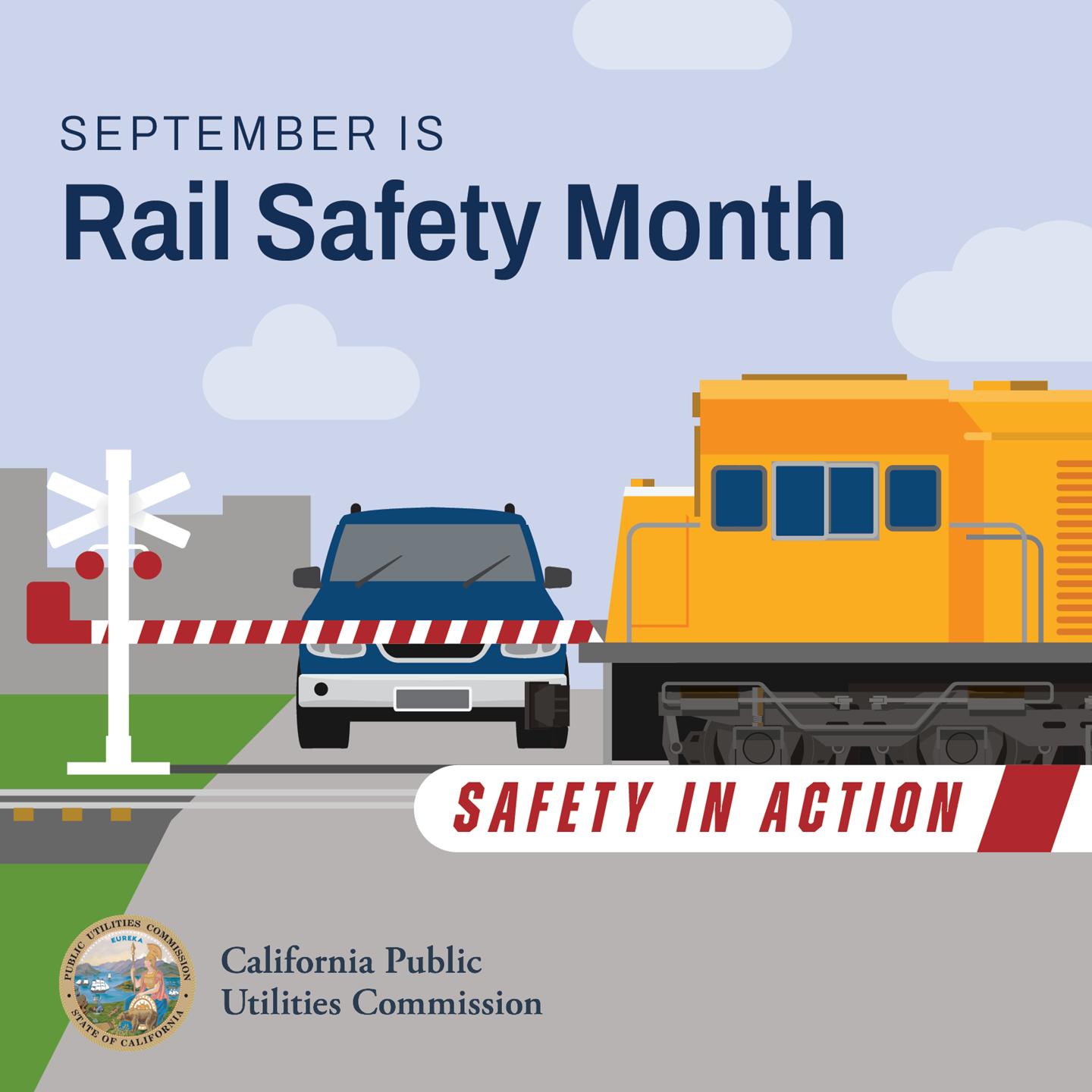
September is Rail Safety Month, but for CPUC’s Rail Safety Division, the work happens throughout the year.
Every inspection, investigation, safety assessment, and follow-up have the same goal: helping make California’s rail systems safer for the people who ride them, work on them, drive or walk across them, and live in the communities around them.
Learn more about the CPUC’s Rail Safety Division and view its latest Quarterly Performance Report.
By Taseen Shamim, Public Information Officer