Scaling Up Energy Storage: How California Is Strengthening Grid Reliability and Clean Energy

California’s approach to energy storage has been shaped by deliberate policy, planning, and investment, with the California Public Utilities Commission (CPUC) playing a critical role. In September 2010, Assembly Bill 2514 directed the CPUC to set energy storage targets and evaluate how storage can support a more reliable grid, expand renewable energy, and reduce greenhouse gas emissions.
In response, the CPUC established an energy storage procurement framework requiring utilities and other load serving entities to procure energy storage and supporting incentive programs that encourage deployment across the state.
Early investments supported a wide range of projects, from smaller systems at homes and businesses to large battery installations connected directly to the grid. This indicated a need to shift from a procurement mandate for large storage to inclusion of storage in the Integrated Resources Planning process, leading to its competitive solicitation at the best price prices for customers. It also supported a shift in tariffs for customer generation to support systems paired with storage.
In recent years, energy storage has expanded quickly and is now a major part of how California keeps the lights on, especially during times of high demand.
Since 2020, more than 31,000 megawatts (MW) of new resources have come online statewide, including more than 16,000 MW of energy storage capacity, and more is to come.
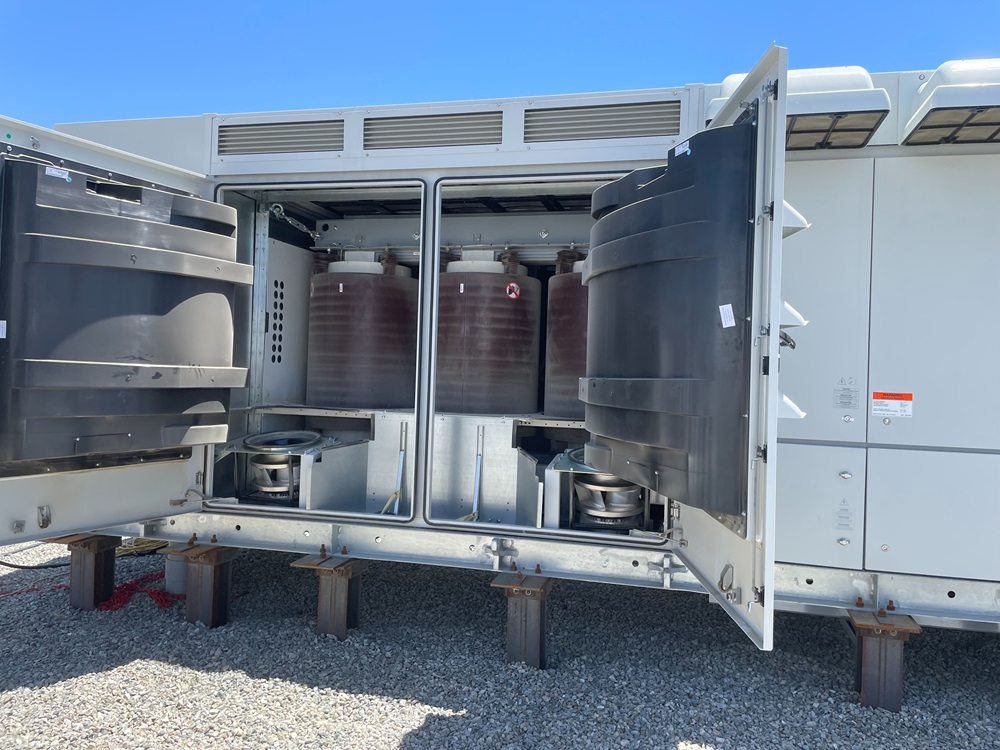
Battery Storage infrastructure at the Tumbleweed Energy Storage facility in Kern County, California
How Energy Storage Is Used Today
As energy storage continues to grow, the way it is used also changes.
For example, earlier projects often focused on helping balance the grid in real time. Today, the primary role is storing electricity from renewable resources when it is abundant and delivering it later when demand increases.
For instance, solar energy is often produced during the middle of the day when demand is lower. Energy storage systems can now capture that excess electricity and release it in the evening, when more people are using power.
This approach helps make better use of renewable energy, reduces the need to turn off excess solar generation, and supports the grid during peak demand hours.
“Most large battery systems are now regularly charging during lower cost daytime hours and discharging during higher demand evening hours,” said Nathan Barcic, CPUC Program Manager in the Electricity Planning and Market Design Branch. “This shift has made energy storage one of the most effective tools for balancing supply and demand on a grid with growing renewable energy.”
Delivering Benefits Across the Grid
Energy storage is already providing measurable value and that value is expected to grow as more systems come online.
By the end of 2021, earlier projects were on track to deliver about $22 million per year in net benefits. Over time, as storage continues to expand and improve, annual benefits could reach between $835 million and $1.34 billion by 2032.
Energy storage provides value in several ways:
- Supporting reliability during peak demand.
- Helping integrate renewable energy into the grid.
- Reducing strain on infrastructure and delaying the need for upgrades.
- Providing back-up power in at-risk locations.
Expanding What Energy Storage Can Do
Energy storage is expected to play an even larger role across California’s energy system with new approaches allowing a single storage system to serve multiple purposes at once. Innovations now allow a battery to support the grid during peak demand, help local communities during outages, and participate in broader electricity markets depending on how it is operated.
California’s long-term planning reflects this growing importance. Through its Integrated Resource Planning process, the CPUC identifies future energy needs, sets targets through adopted system plans, and requires utilities and other load serving entities to procure resources to meet those needs. Current plans call for more than 14,000 MW of additional battery storage by 2032, along with other forms of longer duration storage.
At the same time, continued progress will depend on improving how storage systems are tracked, integrated, and managed across the grid. Efforts are underway to strengthen data practices and ensure that policies reflect real world performance.
Energy storage has quickly become a key part of California’s energy system. As deployment continues to grow and evolve, it will play an important role in strengthening reliability, supporting clean energy, and delivering benefits to Californians across the state.
More Information:
- CPUC Report to the Governor and Legislature: California’s Grid Modernization Report, December 2025
By Adam Cranfill, Public Information Officer